
What Does an Oral and Maxillofacial Surgeon Do? Your Guide to Specialized Surgical Care in Bonsall, CA
Blog:What Does an Oral and Maxillofacial Surgeon Do? Your Guide to Specialized Surgical Care in Bonsall, CA
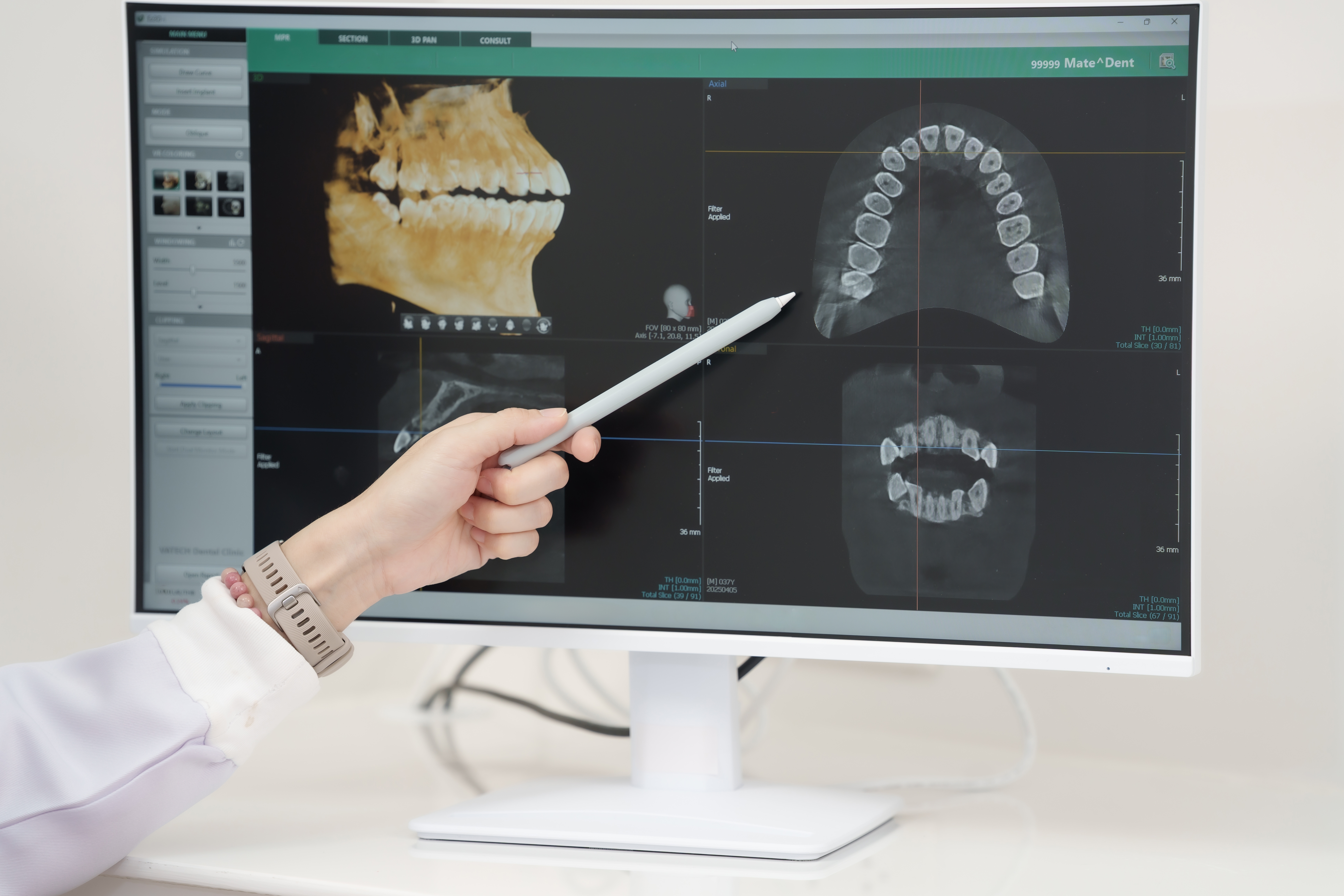
Oral and maxillofacial surgery (OMS) focuses on diagnosing and treating conditions affecting the mouth, jaws, face, head, and neck. This specialty combines surgical, dental, and medical skills. If you want to know what an oral and maxillofacial surgeon does, this guide explains the types of care you may discuss at a consultation.
The Procedures
An oral and maxillofacial surgeon can perform a range of procedures. Each treatment requires a thorough understanding of the patient’s needs, including the functional and aesthetic aspects of the jaw and face. The examples below describe the specialty as a whole; available procedures vary by surgeon and practice.
Facial trauma repair. Oral and maxillofacial surgeons may repair soft-tissue injuries and facial fractures, including broken jaws, to help restore structure and function after an injury.
Cosmetic facial procedures. Depending on their training and practice focus, some surgeons offer treatments ranging from cosmetic injections to facial surgery. Ask your surgeon which procedures they provide and whether a referral is appropriate.
Reconstructive surgery and dental implants. These treatments can help rebuild damaged or missing jawbone and replace missing teeth. Dental implants may provide long-term support for replacement teeth, but they require ongoing care and do not guarantee lifelong results or prevent all future bone loss.
Cleft lip and palate surgery. These procedures address congenital differences in the upper lip and roof of the mouth. Care often involves a specialist team and may help improve eating, speech, appearance, and other functions.
Orthognathic surgery. Also called corrective jaw surgery, this treatment addresses certain jaw-alignment and bite problems. In selected patients, jaw surgery may also be considered as part of treatment for obstructive sleep apnea.
The Conditions
An injury, disease, or congenital condition can affect appearance, comfort, and oral function. Depending on their expertise and the patient’s needs, oral and maxillofacial surgeons may evaluate or treat conditions such as:
- Chronic facial pain
- Oral, head, and neck cancers
- Broken jaws
- Congenital facial differences
- Jaw tumors and cysts
- Temporomandibular joint (TMJ) disorders
- Jaw-alignment problems, including a protruding jaw
- Facial fractures
The Steps
Oral surgery may take place in an office, an outpatient surgical facility, or a hospital. The setting and anesthesia depend on the procedure, your health, and your treatment plan. Options may include local anesthesia, sedation, or general anesthesia; not every procedure requires being asleep.
Before treatment, your surgeon will review your medical history, examine the area, and discuss imaging when needed. Follow the team’s preparation instructions. If sedation or general anesthesia is planned, arrange a responsible adult to accompany you and take you home, as directed by your care team.
The details of surgery vary. Some procedures involve incisions, removal or repair of tissue, placement of implants, or stitches; others are less extensive. Your team will explain the expected recovery, home-care instructions, and follow-up appointments rather than using the same steps for every operation.
The Benefits
Depending on the condition and treatment, oral and maxillofacial care may improve chewing, jaw function, comfort, or facial appearance. Results and recovery vary. An evaluation helps determine whether surgery, another treatment, or referral to a different specialist is the most appropriate next step.
SicatHSU Oral & Maxillofacial Surgery aims to help patients achieve better oral health and quality of life. Visit our facility in Bonsall, California, for a consultation. Please call us at (760) 334-4400 to schedule an appointment.
Helpful Articles
article_category: restorative
article_category: surgical procedures
article_category: services
article_category: FAQ
article_category: products
article_category: eye health
article_category: ocular disease management
article_category: exotic
article_category: contact lenses
article_category: technology
article_category: eye surgery co-management
article_category: psychiatry
article_category: cats
article_category: Aesthetics
article_category: preventative
article_category: large animal
article_category: general
article_category: dogs
article_category: vision therapy
article_category: eyeglasses
article_category: health
article_category: cosmetic
article_category: conditions
[]
Flowbite is an open-source library of interactive components built on top of Tailwind CSS including buttons, dropdowns, modals, navbars, and more.
Check out this guide to learn how to get started and start developing websites even faster with components on top of Tailwind CSS.

All Dental Services
We offer a wide variety of dental services to the Bonsall community. Contact us with any questions about our services.

Keep In Touch
For non-urgent questions or to learn more about our services, contact us today!
Our Services
Contact Info
- 5256 South Mission Road, Suite 1103,
Bonsall, CA - Phone: (760) 334-4400
- Fax: (760) 350-2064
Hours of Operation
- Monday 8:30am - 4:00pm
- Tuesday 8:30am - 4:00pm
- Wednesday 8:30am - 4:00pm
- Thursday 8:30am - 4:00pm
- Friday 8:30am - 4:00pm
- Saturday Closed
- Sunday Closed
- Monday 9:00am - 6:00pm
- Tuesday 9:00am - 6:00pm
- Wednesday 9:00am - 6:00pm
- Thursday 9:00am - 6:00pm
- Friday 9:00am - 6:00pm
- Saturday 10:00am - 2:00pm
- Sunday Closed
- Monday 8:00am - 5:00pm
- Tuesday
- Wednesday
- Thursday
- Friday
- Saturday
- Sunday
© 2026 SicatHSU Oral & Maxillofacial Surgery. All rights Reserved -
Accessibility Statement
-
Privacy Policy
-
Sitemap
Managed and Designed by 